
ZECPlayground – Late Night
I kind of drifted into trying ZEC games after I got bored with the usual BTC stuff and wanted to experiment with something different, and honestly I didn’t expect much at first.
5 Views

I kind of drifted into trying ZEC games after I got bored with the usual BTC stuff and wanted to experiment with something different, and honestly I didn’t expect much at first.
One key advantage of an Education Smart Display is improved lesson delivery. Teachers can present multimedia content such as videos, charts, images, and digital notes on one screen. This makes lessons more engaging and helps students understand complex topics more clearly. Visual learning methods are especially effective in subjects that require demonstrations or step-by-step explanations.
Another benefit of the Education Smart Display is classroom interaction. Students can write on the screen, move objects, solve exercises, and participate directly in lessons. This hands-on involvement often increases concentration and encourages active learning. It also helps teachers assess student understanding in real time.
Collaboration is another important feature of the Education Smart Display. Multiple users can interact with the display during group projects or classroom discussions. This supports teamwork, communication skills, and shared problem-solving experiences that are valuable in academic settings.
The Education Smart Display also plays an important role in remote and hybrid learning. It…
I came across this topic more than once and didn’t react to it at first. Later I noticed it again and decided to read a bit just to understand the general idea. I didn’t open anything and stayed only with comments and short discussions. In one place, someone mentioned free porno in a very обычному way, and it didn’t stand out at that moment. After that I started noticing similar mentions in other places, which made me read more carefully. Some parts look simple when reading fast, but then it feels like something is missing. Because of that, I didn’t move further and just kept reading more. I’m still at this stage and not sure if reading is enough to understand everything fully. Do others also take time like this before doing anything?
I had a similar experience when I first noticed mentions like that. I didn’t go further right away and stayed with reading for some time. It felt easier to look at small parts of information instead of trying to understand everything at once. Sometimes people describe the same idea differently, and that can make it less clear overall. I tried to stay patient and read without rushing into conclusions. After some time, certain parts became clearer, but not everything. It feels like something that needs time and attention.
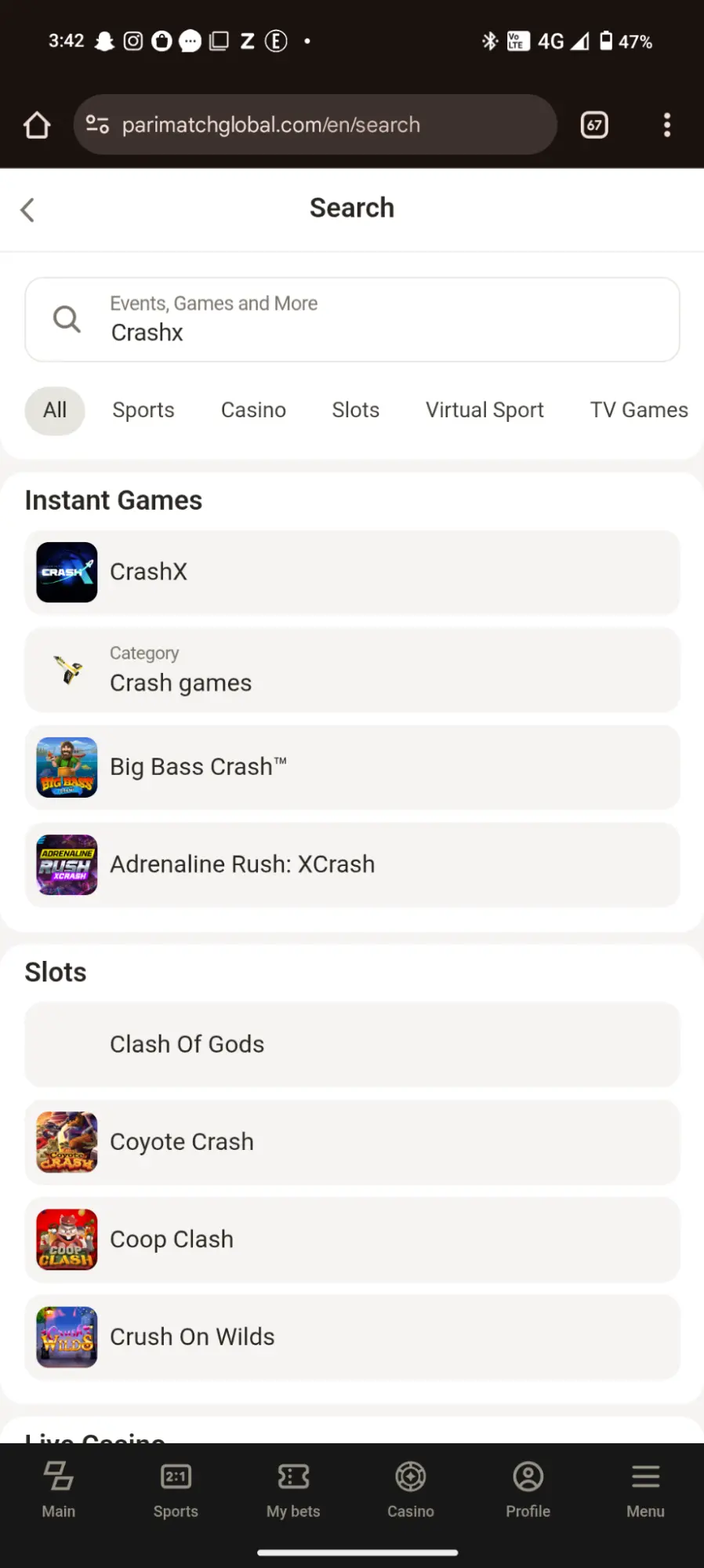
In some cases, people mention Search Crash X on Parimatch when they are trying to quickly locate a specific type of game without browsing through multiple sections. It’s usually seen as a simple way to narrow things down and view only the relevant options, rather than scrolling through everything manually.
What also stood out was how some of the original games have more going on visually and mechanically, so you don’t feel like you’re stuck in a loop. For me, I ended up sticking with DD because it handled both quick bets and longer sessions pretty well, and I didn’t run into weird delays or inconsistencies during play. My advice would be to treat the bonus as something extra, not the main goal, and focus more on how the platform behaves over time, like how smooth the betting flow is and whether you feel in control of your pace.